
The Art of Blending: Mastering Perfect Makeup is the one technique that truly separates professionals from amateurs. No matter how expensive your products are or how trendy your shades may be, without proper blending, your makeup can appear uneven, patchy, or dull. Blending is the secret behind smooth transitions, seamless finishes, and that radiant, polished glow we all strive for.
In this comprehensive guide, we’ll explore the importance of blending, essential techniques every makeup lover should know, and expert tips to help you achieve a flawless look every time.
Why Blending is the Heart of Makeup
The Art of Blending: Mastering Perfect Makeup is more than just matching colors—it’s about creating harmony on your canvas, which is your face. Thoughtfully blended makeup transforms harsh lines into soft transitions and helps your base look natural, radiant, and skin-like.
Here’s why blending is essential in achieving a flawless look:
- Natural Finish: Well-blended makeup melts into the skin, giving the illusion of a seamless, second-skin finish.
- Smooth Transitions: Especially with eyeshadow, blush, and contour, blending ensures color flows effortlessly without sharp edges.
- Longer Wear: Proper blending helps products adhere better, reducing patchiness and extending makeup longevity.
- Polished, Professional Look: The hallmark of expertly done makeup is its smooth, refined appearance—and blending makes all the difference.
Mastering The Art of Blending: Mastering Perfect Makeup is the key to unlocking a truly elevated makeup routine.
Step 1: Preparing Your Canvas
Preparation is essential before you consider blending. You should never paint on a rough surface, just as painters never do.
- Wash and moisturize Smoother product application is ensured by a clean, hydrated face. Always begin with a mild cleanser, then use a moisturizer that is appropriate for your skin type.
- Prepare the Skin Primers give your foundation a uniform texture and improve the adhesion of makeup. While hydrating primers are better for dry skin, mattifying primers are better for oily skin.
- Lip and Eye Prep A primer or concealer for the eyes keeps the shadows from creasing and helps them blend seamlessly. A balm prepares the lips for a smooth application of lipstick.
Step 2: Tools That Make Blending Effortless
Although blending is an art form, your paintbrushes are your tools. Smoother application is ensured by using the appropriate tools.
- Brushes Foundation Brush: The best brushes for applying and buffing foundation are flat or dense. Blending Brushes: For smooth gradients, fluffy eyeshadow brushes work best. Contour & Blush Brushes: You can soften harsh lines with angled brushes.
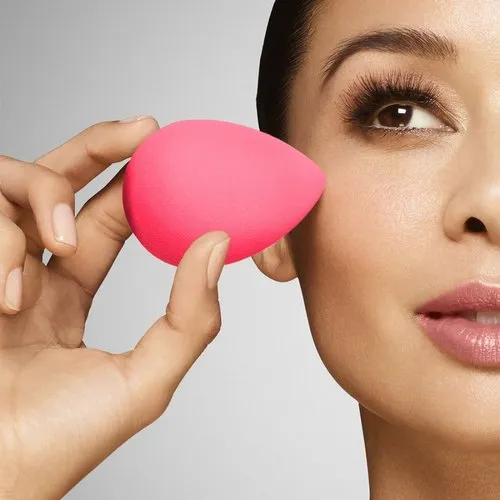
- Sponges Because they provide a natural, skin-like finish, beauty sponges are considered the holy grail by many. Before using, dampen your sponge to facilitate easier product blending.
- The fingers Your fingers can be the best tools at times. Your skin’s natural warmth facilitates the smooth application of liquids and creams, particularly concealer or cream blush.
Step 3: Blending Base Makeup
Literally, your base is the cornerstone of your style. Here’s how to make sure it looks perfect.
- The foundation Application: Apply foundation sparingly rather than heavily in thick streaks. Blending: Stipple (dab) with a moist sponge or brush. Press the product into the skin rather than dragging it. Pro Tip: To prevent a noticeable line of demarcation, always blend into the neck and jawline.
- A covert Use a sponge or your ring finger to dab the triangle-shaped application under the eyes. For a seamless transition, blend outward into the foundation. Apply sparingly to blemishes and pat gently until the blemish disappears into the base.
- Highlight and Contour:Apply contouring cream to the sides of the nose, jawline, and beneath the cheekbones. Use circular motions to blend until the shadows appear organic.Highlight: Position on the cheekbones, nose bridge, and cupid’s bow, which are the face’s high points. Diffuse the edges with your fingers or a gentle brush.
Step 4: Blending Eye Makeup
Eye makeup is where blending truly shines. It’s the difference between a bold look and a muddy mess.
1. Transition Shades
Always start with a neutral transition shade slightly darker than your skin tone. Apply it in the crease with a fluffy brush, blending back and forth in windshield-wiper motions.
2. Layering Colors
When using multiple shades, always build gradually. Start with lighter tones and work towards deeper colors. Blend where two shades meet to ensure a soft transition.
3. Smokey Eyes
For a smokey look, blend the darkest shade at the lash line, diffusing upwards. The key is patience—add product slowly and blend as you go.
4. Shimmers and Metallics
Pack these onto the lid with a flat brush or finger. Blend their edges into the matte shades so there’s no sharp boundary.
Step 5: Blush and Bronzer Blending
Although blush and bronzer add color and warmth to the face, if they are not blended well, they may appear patchy.
Apply blush to the apples of your cheeks while grinning. For a lifted look, blend it upward toward your temples.
Apply bronzer to the jawline, forehead, and cheek hollows. To prevent streaks, blend in circular motions.
Expert Advice: It’s better to use less. Instead of applying too much at once, build up gradually for a natural flush.
Step 6: Lip Blending
Lip blending is not an exception. Different effects can be produced depending on how you blend lip products:
Ombre Lips: Use a lighter shade in the middle and a darker shade around the edges. To create a gradient effect, gently blend the two.
Defined Lips: Before putting on lipstick, outline and blend your lips slightly inward with a liner. This keeps borders from being too harsh.
Gloss Over Color: For a plumper, smoother appearance, apply a lip gloss over matte lipstick.
Common Blending Mistakes to Avoid
Using Too Much Product: Using too much product can make blending more difficult and does not necessarily result in better coverage.
Not Cleaning Brushes: Blending becomes muddy when brushes are dirty. Regularly wash them.
Inappropriate Tools for the Formula: Powders require brushes, whereas creams blend best with fingers or sponges.
Rushing the Process: It takes time to blend. Use circular motions slowly.
Ignoring Transitions: Ignoring lighter transition shades, particularly for the eyes, can give the appearance of harshness.
Advanced Blending Techniques
Here are some pro-level blending tips for individuals who wish to go beyond the fundamentals:
Layer Cream and Powder Products: For added depth and long-lasting power, apply cream blush or contour first, followed by powder versions.
Blend in Layers: Always blend the foundation, concealer, and eyeshadow base before applying the next layer of makeup.
Use Setting Spray While Blending: A light mist of setting spray creates a more natural finish and helps melt products together.
Color Blending: To diffuse edges without overmixing shades, use a clean brush when blending strong colors (such as blues or purples).
The Role of Lighting in Blending
Did you know that the way your makeup blends depends on your surroundings? Insufficient illumination may cause you to apply too much or overlook unblended areas.
The best way to check for true colors and blend is with natural daylight.
Warm lighting can smooth out makeup, but it can also cover up imperfections.
Vanity lighting or ring lighting is perfect for blending makeup and mimics professional setups.
Blending for Different Makeup Styles
Natural Makeup: Aim for blending that looks like skin. Make use of soft edges and sheer layers.
Glam Makeup: Here, bold blending and accuracy are key. Sculpted contours, glowing highlights, and smokey eyes.
Editorial Makeup: For artistic effect, blending can occasionally be purposefully less “perfect.” Try different textures.
Final Touch: Setting the Blend
After everything has been combined, secure it.
Lightly apply setting powder to avoid creasing and to blur pores.
Setting Spray: Provides long-lasting wear by melting all layers together.
Conclusion
Although it’s frequently disregarded, blending is the process that turns “good” makeup into “flawless.” The secret is patience, the correct equipment, and a light hand when applying makeup, whether it’s lipstick, eyeshadow, or foundation. Consider it the last stroke on a masterpiece—the distinction between a hastily drawn sketch and a well-executed piece of art.
Therefore, keep in mind that blending is an art form rather than merely a step the next time you pick up your brush or sponge. Once you get the hang of it, you’ll realize the full potential of every item in your makeup kit.
Similar:Beauty Beyond Basics: Your Guide to Effortless Glam